
 Alex
Habibi
Alex
Habibi

Your furnace stopped running at 2am and you woke up to a cold house. The thermostat says 20°C but you can see your breath in the kitchen. Before you call for emergency furnace repair, there are checks worth doing. Simple things restore heat more often than you'd expect.
Some no-heat situations come from tripped breakers or accidentally flipped switches. Others point to failed components that need replacement. Knowing which is which saves you emergency service fees for problems you can fix yourself. It also prevents you from wasting time on issues that need professional diagnosis.
Here's what to check when your furnace isn't working, in the order that makes sense based on what we see across Waterloo Region.
Check Your Thermostat Settings First
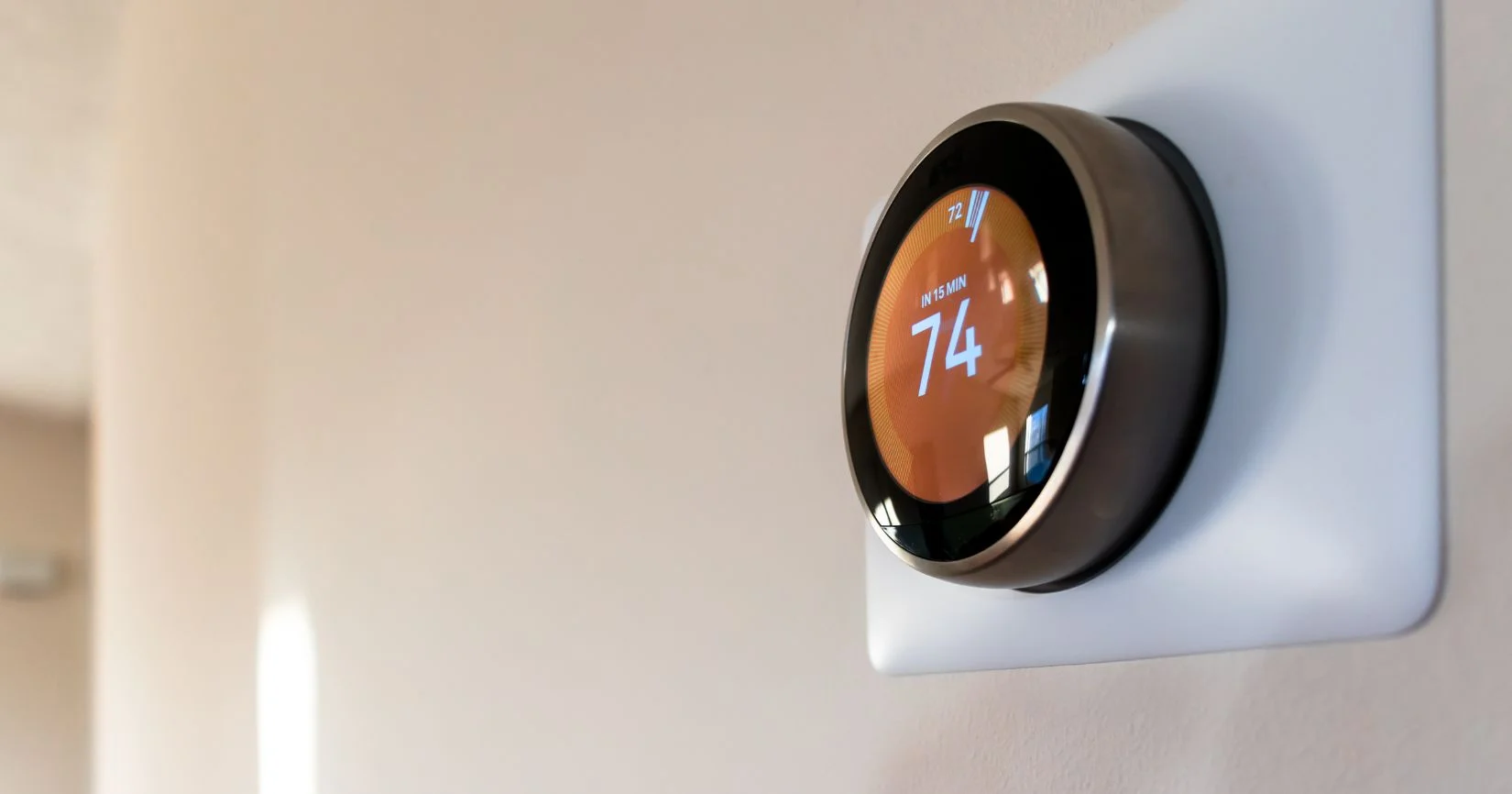
The thermostat is the first place to look because it controls everything downstream. Set it to "heat" mode and push the temperature setting 2-3 degrees above current room temperature. If the furnace doesn't respond within a minute, the thermostat might not be sending signals properly.
Dead batteries kill thermostats constantly. If your display looks dim or blank, replace the batteries and wait 30 seconds for the system to reset. Programmable thermostats sometimes revert to default schedules after power outages. That means your furnace thinks it's supposed to be off when you need heat.
Check that nobody accidentally switched the thermostat to "cool" or "off." We see this across Waterloo Region every winter, especially in homes with kids or when someone bumps the controls while dusting. If the fan setting is on "auto," it should only run when the furnace heats. If it's stuck on "on," the fan blows constantly but you won't get warm air between heating cycles.
Where your thermostat sits changes everything. Units mounted on exterior walls or near heat sources give false readings. Cold drafts through the wall cavity make the thermostat think your house is colder than it is, triggering unnecessary heating cycles. Direct sunlight from nearby windows creates the opposite problem—the thermostat reads warm while the rest of your house stays cold.
Look for Tripped Breakers and Furnace Switches
Your furnace needs electricity even if it burns gas. Find your electrical panel and check the breaker labeled for your furnace. If it's tripped, it sits between "on" and "off" positions. Flip it fully off, then back on.
If the breaker trips again immediately, stop. Something's drawing too much current and you're looking at an electrical fault that needs professional diagnosis. Don't reset it a third time.
Most furnaces have an emergency shutoff switch on or near the unit. It looks like a regular light switch, often in a red or metal box. Someone might have flipped it by accident while working in the basement or looking for something in storage. Flip it to "on" and listen for the furnace to start its ignition sequence.
Power outages sometimes cause the control board to lock up. Turn off the furnace switch, wait two minutes, then turn it back on. This forces a full system reset that clears temporary faults.
Pull and Inspect Your Furnace Filter
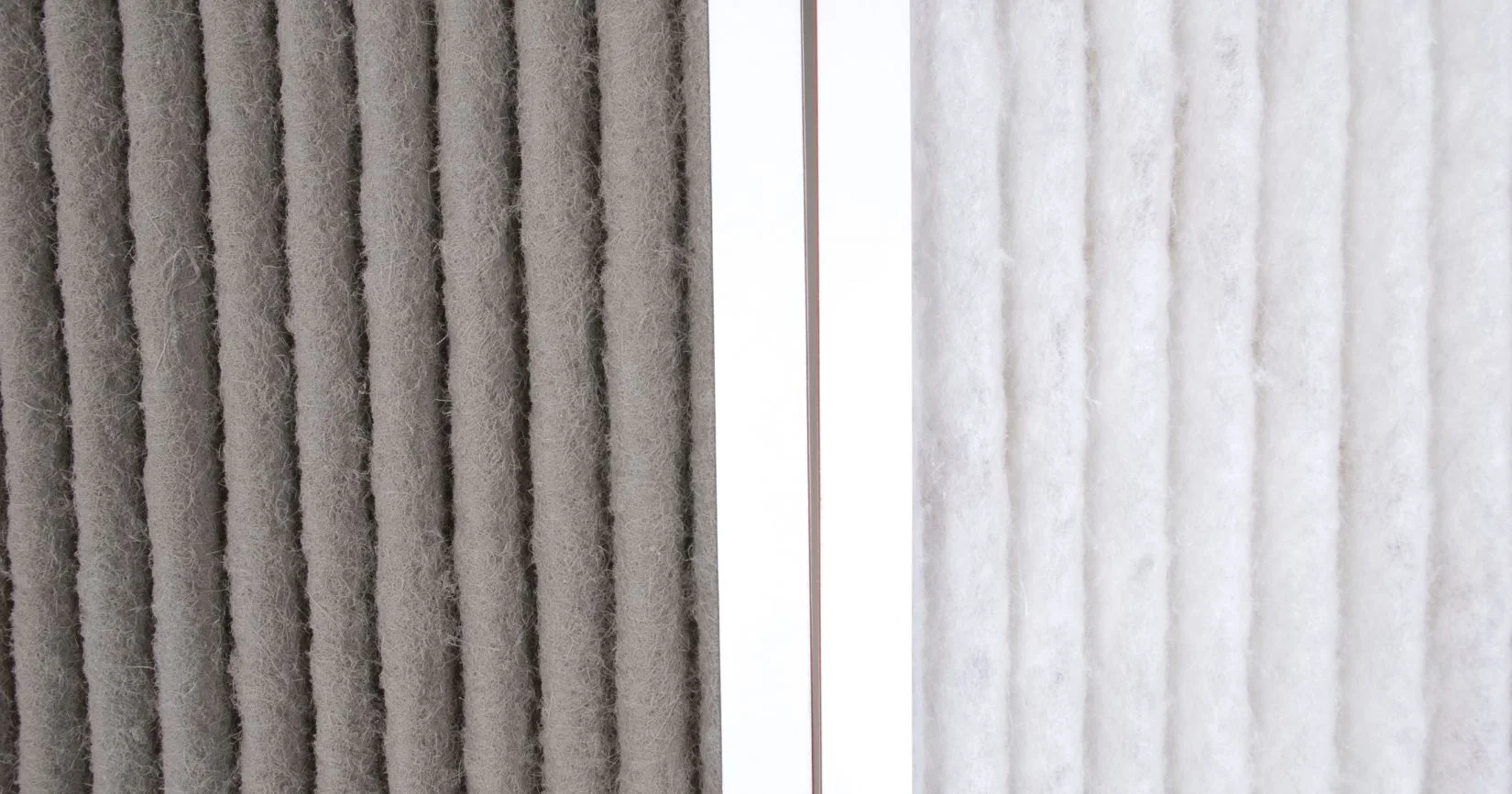
A completely blocked filter stops airflow, which triggers the limit switch and shuts your furnace down for safety. Pull the filter and hold it to a light source. If you can't see light through it, airflow is restricted enough to cause problems.
Filters in homes with pets or during construction need changing every month. Standard homes run 1-3 months depending on dust levels and system runtime.
That dirty filter forces your blower motor to work harder, pulling more current, which heats the motor windings. Eventually the motor fails and a cheap filter turns into an expensive motor replacement.
Replace the filter and restart your furnace. If heat returns, you found the problem. If the furnace still won't fire, the blockage might have damaged something else. There could also be a separate issue.
Check the Flame Sensor
The flame sensor sits in the burner assembly and confirms the gas is actually burning. When it gets coated with carbon buildup, it can't detect flames properly. The system thinks the burners didn't light, shuts off the gas for safety, and you get no heat.
You'll see the burners ignite for a few seconds, then shut off. That's the sensor failing to confirm flame. Turn off power to the furnace, remove the access panel, and locate the thin metal rod positioned in the flame path. It's usually held by a single screw.
Carbon coats the sensor gradually through normal combustion. Each heating cycle deposits microscopic particles that eventually insulate the sensor from flame ionization current.
High-efficiency furnaces with sealed combustion create more condensation, which accelerates buildup. Poor gas pressure or dirty burners produce incomplete combustion that coats sensors faster.
Clean it with fine steel wool or a dollar bill folded lengthwise to create an abrasive surface. Wipe gently until the rod is shiny metal with no black coating. Reinstall it, restore power, and test.
This fix takes 10 minutes and solves a surprising number of no-heat calls. Regular professional cleaning catches sensor buildup before it causes shutdowns and identifies other combustion issues that affect heating performance.
Make Sure You Actually Have Gas
If you smell gas, stop everything. Don't flip switches, don't look for the problem, don't try to light anything. Leave the house and call your gas supplier from outside. Gas leaks create explosion risk and need immediate professional response.
For propane systems, check your tank gauge. If you're below 20%, call for a refill—most propane suppliers recommend maintaining at least 20-30% to ensure continuous supply, especially in freezing weather when propane contracts and vaporization rates can slow.
Check that the manual gas shutoff valve near your furnace is fully open. The handle should be parallel to the pipe, not perpendicular. Someone might have partially closed it for maintenance and forgotten to reopen it completely.
Natural gas service through Enbridge Gas rarely gets interrupted but checks your neighbors. If they have heat and you don't, the problem is in your home.
Reset Your Furnace After Extended Shutdowns
Furnaces that sit unused for months sometimes need manual resets. Modern systems have lockout features that prevent repeated failed ignition attempts. If your furnace tried to start three times without success, it locks out and won't try again until you reset it.
Look for a reset button on the control board. It's usually red or yellow. Press and hold it for 2-3 seconds. The furnace will attempt another ignition sequence.
If it fails again and locks out, you're dealing with ignition failure, gas valve problems, or flame sensor issues that need diagnosis. Don't keep resetting. Two attempts tell you there's a real problem that repeated resets won't fix.
Each failed ignition pumps unburned gas into your heat exchanger, creating safety concerns.
When DIY Checks Don't Restore Heat
Basic furnace troubleshooting narrows down common causes, but some failures need professional tools to diagnose the problem. If you've checked the thermostat, power, filter, and gas supply without results, the problem sits deeper in the system.
Pressure switch failures, inducer motor problems, cracked heat exchangers, failed gas valves, and control board malfunctions all stop heating, but can't be diagnosed without testing equipment. Pressure switches confirm proper venting before allowing ignition. If the inducer motor can't create negative pressure because of blockage or motor failure, the switch prevents startup. That's a safety feature, not a malfunction.
Ignition systems fail in specific patterns. Hot surface igniters crack from thermal stress. They glow orange, heat the gas, then cool down thousands of times per season. Eventually, they develop hairline cracks that prevent them from reaching ignition temperature.
Intermittent pilot systems have flame sensors that wear out or thermocouples that fail. Electronic ignition modules stop sending voltage to igniters.
The Technical Standards and Safety Authority (TSSA) requires licensed technicians for gas appliance work because mistakes create carbon monoxide risk and fire hazards.
If your furnace is over 15 years old and facing expensive repairs, that's often the point where replacement makes more sense than continuing repairs. You're not just buying heat—you're purchasing another 15-20 years without the constant service calls aging systems need.
An aging furnace that constantly needs repair also runs inefficiently, wasting energy on every heating cycle.
What Professional Furnace Repair Covers
Technicians test components systematically. They measure voltage at the thermostat, check pressure switch operation, test igniter resistance, verify flame sensor current, and confirm proper venting. That diagnostic process identifies what failed and why.
Parts fail in predictable patterns. Igniters crack from thermal cycling. Flame sensors coat with carbon. Pressure switches stick from debris.
Control boards fail from power surges. Blower motors wear out from years of runtime. Knowing which component failed tells you whether it's a $150 fix or time to consider replacement.
Gas furnaces include safety limits you can't bypass. If something's preventing ignition, the system won't keep trying. It shuts down and waits for reset. That's built-in protection against carbon monoxide production from incomplete combustion, which makes Ontario's strict furnace safety standards necessary and smart.
Updated Ontario Fire Code requirements now mandate carbon monoxide alarms on every floor of homes with fuel-burning appliances, recognizing that proper detection is as important as proper maintenance. Carbon monoxide alarms and proper maintenance work together to protect households from this invisible threat.
Start With What You Can Check Safely
Most no-heat situations come from simple causes—dead thermostat batteries, tripped breakers, clogged filters, or dirty flame sensors. Those checks take 20 minutes total and restore heat without service fees.
If basic checks don't solve it, the problem needs professional diagnosis. Infiniti's technicians test components, identify what failed, and explain whether repair makes sense for your system's age and condition. Call 519-741-5100 or book a consultation.