
 Alex
Habibi
Alex
Habibi

You opened your heating bill, and the number made you blink twice. Last month was bad enough, but this month jumped significantly. Your furnace is running constantly, the house still feels cold, and you're wondering what changed.
Your high heating bill isn't random. Something specific is driving those costs up, and once you identify what's happening, you can fix it. Here's what causes winter heating costs to spike and what works to bring them down.
Your Furnace Is Working Harder Because It's Less Efficient
Furnaces lose efficiency as they age. An older system burns more gas to produce the same heat as when it was new. Heat exchangers develop microscopic cracks that let combustion gases escape. Burners get coated with carbon deposits that interfere with complete combustion. The blower motor slows down because bearings wear out and internal components deteriorate.
Each inefficiency is small on its own. Together, they add up over the years and increase your heating costs compared to what the furnace used when it was new. You're paying for wasted energy—heat that never reaches your living space.
If your furnace is over a decade old and your bills keep climbing despite no change in how you operate your home, efficiency loss is the likely cause. Modern high-efficiency systems use less gas than older units.
That Dirty Filter Is Costing You Money
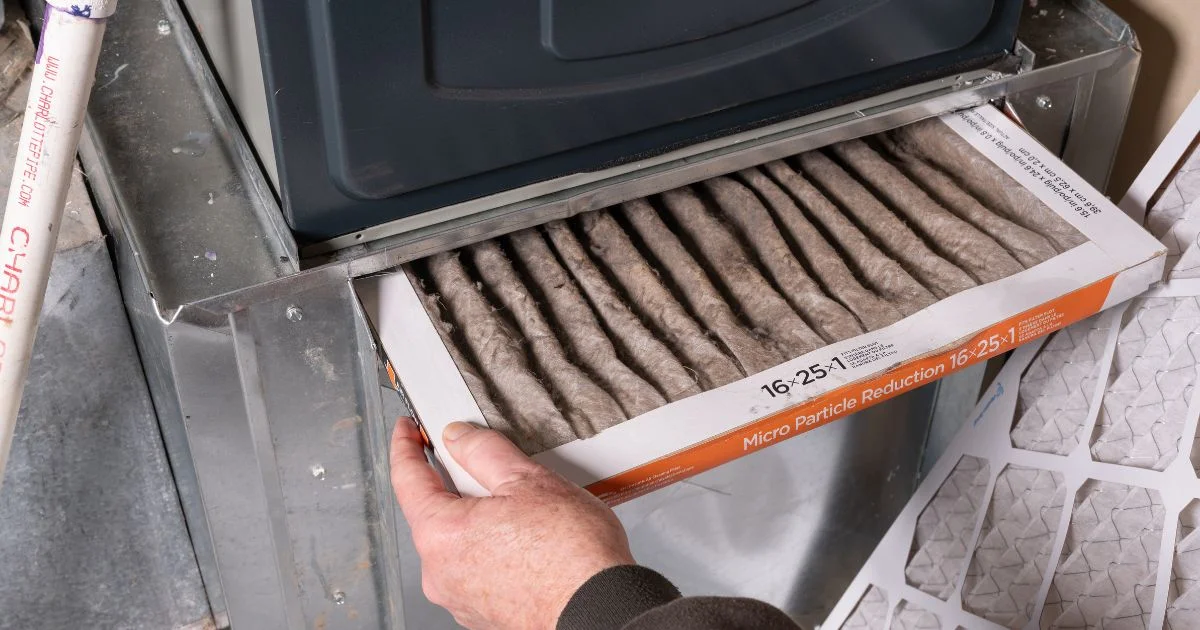
A clogged filter restricts airflow through your system. Your blower motor works harder trying to pull air through the blockage, drawing more current and consuming more electricity. Worse, restricted airflow means less warm air circulates through your home, so the furnace runs longer cycles to reach thermostat setpoint temperature.
Here's what catches people: restricted airflow creates problems that look completely different from a dirty filter. Your furnace starts short cycling. Hot and cold spots appear. The system runs constantly but never quite reaches temperature. You adjust the thermostat, close vents, try different settings—and the real problem is still that filter.
Homes with pets or recent construction need new filters monthly. Standard homes run somewhere between one and three months depending on dust buildup and system runtime. Check your filter now. Hold it up to a light. If you can't see light through it clearly, replace it. An inexpensive filter prevents costly blower motor replacement and cuts your heating costs immediately.
Your Thermostat Settings Are Fighting Your System
Filters are simple to change. Thermostat settings require more discipline, but the payoff is immediate.
Setting your thermostat higher when you're home feels comfortable, but every degree above the recommended temperature adds noticeably to your heating bill. Even a couple of degrees makes a measurable difference over an entire winter.
Programmable thermostats help, but only if you program them with temperature setbacks. Homes with moderate daytime temperatures and cooler overnight settings save compared to maintaining constant temperature. Your body adjusts to cooler sleeping temperatures within a few nights, and the savings appear immediately on your next bill.
Thermostat management is where most homeowners find the quickest savings—it's free, works immediately, and the cumulative effect over a full heating season shows up as real money saved. We covered strategies to reduce your heating bills before, and temperature setbacks remain one of the most effective tactics because they cost nothing to implement.
Heat Is Escaping Faster Than Your Furnace Replaces It
Your attic insulation settles and compresses over time. What started as adequate insulation years ago has thinned out and settled. Warm air rises straight through your ceiling, out through your roof, and you're heating the outside while your living space struggles to maintain temperature.
Basement rim joists—the wooden frame where your foundation meets your first floor—often have no insulation at all in older Kitchener-Waterloo homes. Cold air seeps through the gaps, creating drafts along your main floor and forcing your furnace to run longer cycles to compensate for continuous heat loss.
Windows and doors develop air leaks as weather stripping deteriorates and caulking shrinks and cracks through repeated freeze-thaw cycles. Your furnace heats the air, the air escapes through infiltration, and you pay for both the initial heating and the replacement air.
Seal the obvious leaks first. Caulk around windows where you feel drafts. Replace worn weather stripping on exterior doors. These fixes are inexpensive and reduce heating costs noticeably.
Attic insulation represents a bigger investment but delivers substantial savings. Energy Star recommends R-60 attic insulation for Ontario's climate zone—bringing your attic up to that standard from typical older home levels costs a few thousand dollars for an average home, but the reduction in heat loss means payback within a few years depending on your current insulation levels.
Your Ductwork Is Leaking Conditioned Air
Duct joints separate over time. Sheet metal screws back out as metal expands when hot and contracts when cold. Flexible duct connections tear at the joints. Heated air escapes into your attic, crawl space, or walls instead of reaching your living areas where you need it.
Homes built before the early 1990s in the Kitchener region often have undersized return ducts—one small vent trying to pull air from the entire second floor. Your furnace can't pull sufficient air through the system, which reduces efficiency and creates temperature stratification no thermostat adjustment can fix.
You keep adjusting the thermostat trying to balance temperatures between floors, but the real issue is ductwork design from decades ago.
Accessible ductwork in your basement can be sealed with mastic sealant (not duct tape, which deteriorates within months under thermal stress). Focus on visible joints and connections. Sealing the ductwork closest to your furnace gives you the biggest return because that's where air pressure differentials are highest.
Ductwork in walls, attics, and inaccessible areas needs professional sealing. Undersized return ducts require proper assessment and modification. Properly sealed and sized ductwork reduces heating costs in homes with significant leakage or design issues.
The Real Cost of Ignoring Maintenance
Your furnace's flame sensor gets coated with carbon each heating season. Eventually the coating blocks the sensor from detecting flames through ionization current. The system thinks the burners didn't ignite, shuts off for safety, attempts ignition again, shuts off again. Short cycling like this wastes gas and drives up your heating bill while creating unnecessary wear on components.
Burners accumulate dust and debris that interferes with proper combustion. Gas doesn't mix properly with air during the combustion process. Incomplete combustion means wasted fuel and dangerous carbon monoxide production. The furnace runs longer to produce the same heat output because combustion efficiency has worn down.
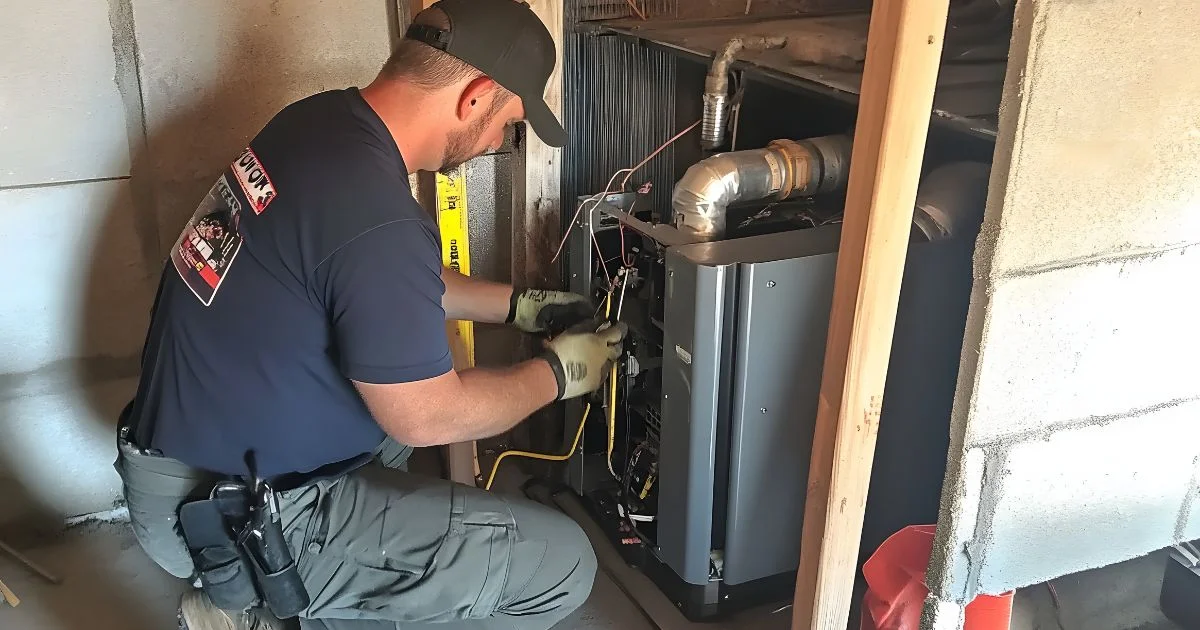
Annual maintenance catches these problems before they cost you money. A technician cleans the flame sensor, inspects and cleans burners, checks the blower assembly, and tests safety controls. The efficiency improvement typically pays for the service within a couple of months through restored combustion efficiency.
If you're noticing inefficient heating, strange smells, or decreased performance, those carbon deposits and dust accumulation are already costing you money every day. Signs your furnace needs professional cleaning appear gradually, but the budgetary impact compounds quickly once combustion efficiency drops.
When Equipment Replacement Actually Makes Sense
Your furnace is approaching two decades old. Repairs over the last few years have added up. Your heating bills keep climbing despite maintenance. At this point, continuing to repair an inefficient system costs more than upgrading to high-efficiency equipment when you factor in both repair costs and operational inefficiency.
Modern high-efficiency furnaces reach AFUE ratings in the mid-90s percentage range according to Natural Resources Canada efficiency standards. If your furnace tests below 80% efficiency, you're losing 20%+ of your heating dollars through the exhaust. That gap—between what you're paying now and what you'd pay with efficient equipment—determines whether replacement makes financial sense for your situation.
Heat pumps cut heating costs even further when temperatures stay above -15°C by transferring heat rather than generating it through combustion. Above that threshold, heat pumps reduce heating costs compared to gas furnaces, and even with backup heat needed below -15°C, you still save money over the full heating season.
What Actually Works to Lower Heating Costs
Start with what's free or inexpensive. Change your filter monthly during heating season. Drop your thermostat a few degrees and add a sweater. Close curtains at night to minimize heat loss through windows.
Seal air leaks around windows, doors, and anywhere you feel drafts. Caulk and weather stripping are inexpensive and reduce heating bills immediately. Address insulation if your attic feels warm when the furnace runs. Heat escaping through your attic wastes a substantial portion of your heating energy.
Schedule furnace maintenance if it's been over a year. A clean, properly adjusted system operates more efficiently than a neglected one. Replace aging equipment when repairs become frequent or bills keep climbing. High-efficiency furnaces or heat pumps pay for themselves through lower operating costs.
Your high heating bill has specific causes—equipment efficiency, heat loss, or changed habits. Identify what's driving your costs up, address the biggest problems first, and your bills drop. Need help figuring out where to start? Call us—we'll assess your system and tell you where to focus first.